The Women’s Balcony | ChaiFlicks Highlights
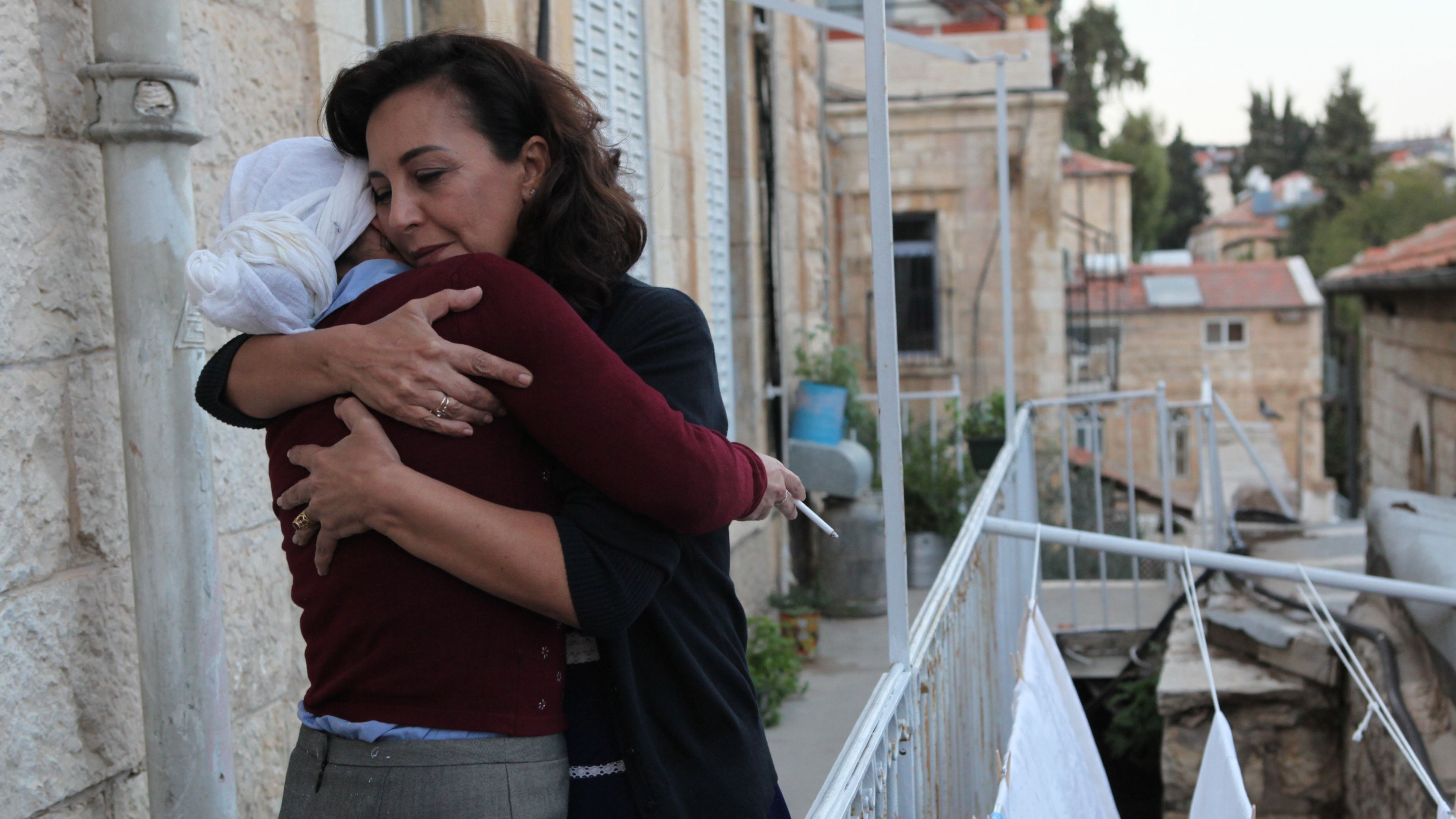
While exploring complicated themes about the relationship between religion, community, and gender, the equally hilarious, critically-acclaimed dramedy The Women’s Balcony is a knockout for any viewer with its rousing performances and outstanding writing.
A Critically-Acclaimed Comedy
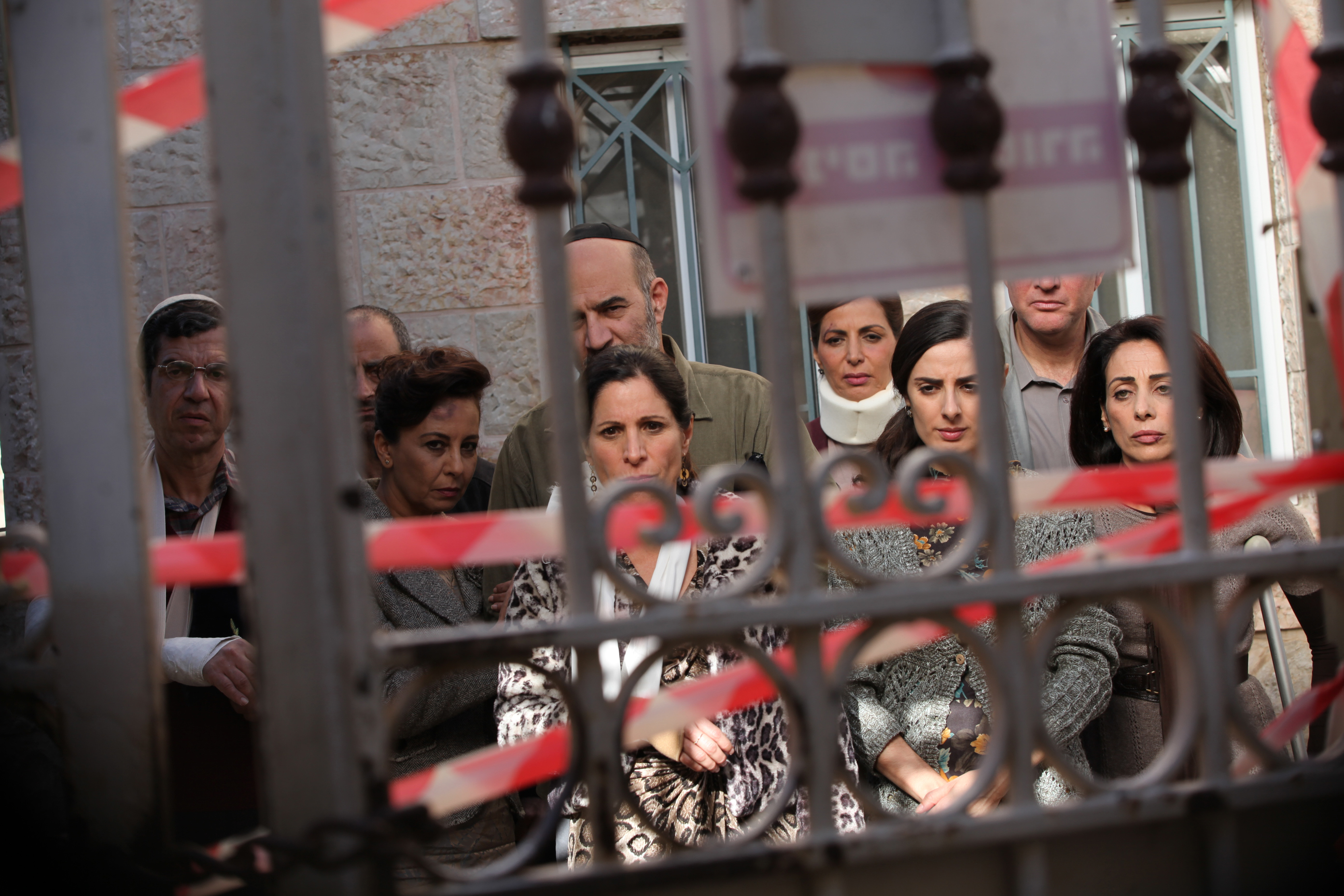
This must-see New York Times and Los Angeles Times Critics Pick follows an Orthodox congregation in Jerusalem when its synagogue’s balcony collapses, destroying where the women sit. Trouble arises when the new and charismatic, yet conservative Rabbi David blocks the balcony’s reconstruction and works to silence their views, resulting in the women rebelling in a Lysistrata-esque manner.
Receiving six nominations from the Ophir Awards (the Israeli equivalent of the Oscars), it is clear to see why The Women’s Balcony is one of the highest grossing films in Israel in the past twenty years with its charming, poignant tale about the importance of having one’s voice heard.
In a film deeply concerning how religion and personal beliefs can shape interpersonal relationships, The Women’s Balcony brings its touching, yet laugh-out-loud narrative to life with an excellent ensemble cast.
A Knockout Cast
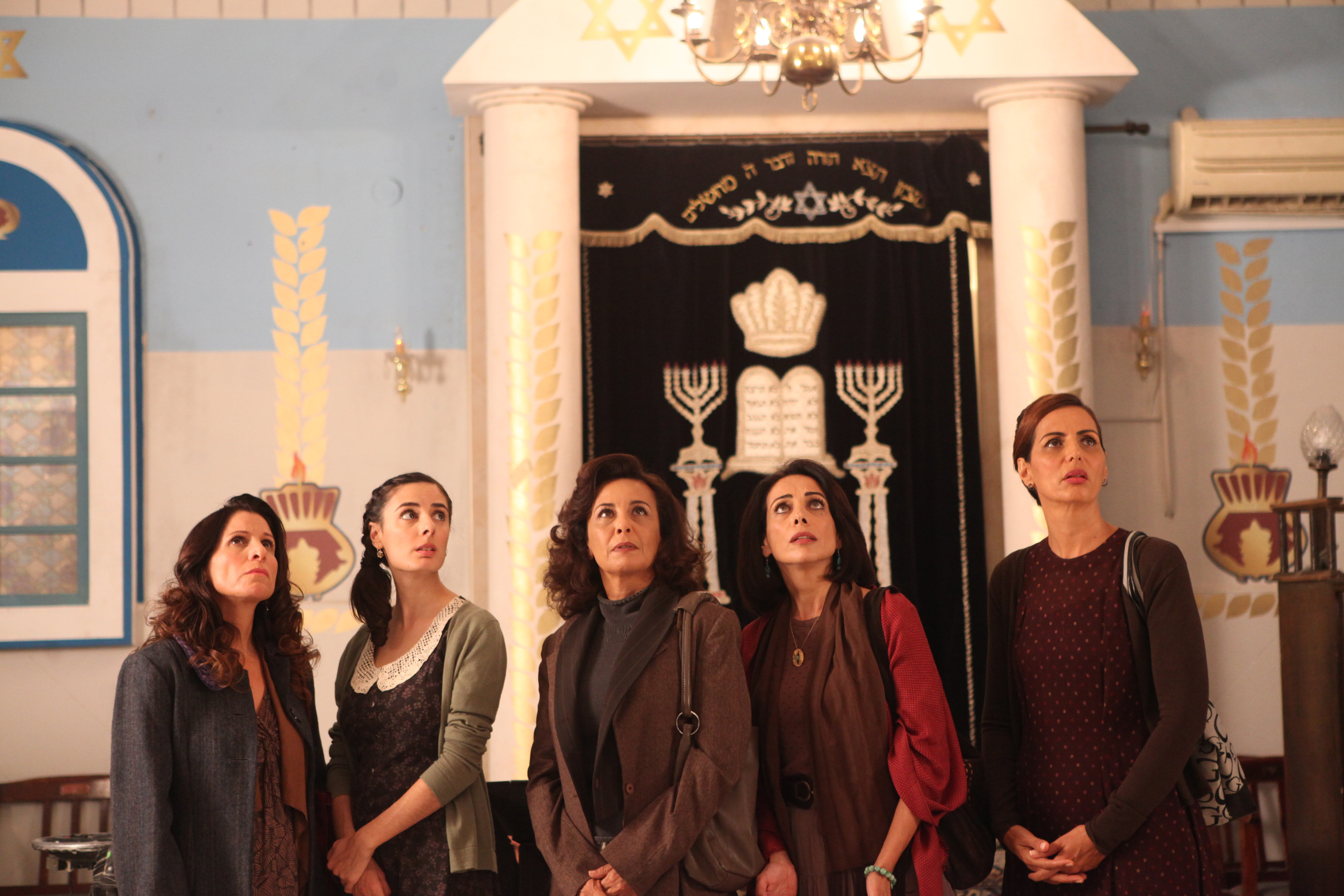
The leader of the women’s movement, Etti, is skillfully portrayed by Evelin Hagoel, an Israeli dramatic star, most notably also appearing in Gett: The Trial Of Viviane Amsalem with the late Ronit Elkabetz (available ChaiFlicks). Hagoel gives a compelling and complex strength to the character, as she navigates both her own spiritual beliefs and her friendships with the other women in her synagogue, including the nuanced Tikva (Orna Banai, who received an Ophir nomination for her performance) and the steadfast Margalit (Einat Saruf, a popular Israeli singer).
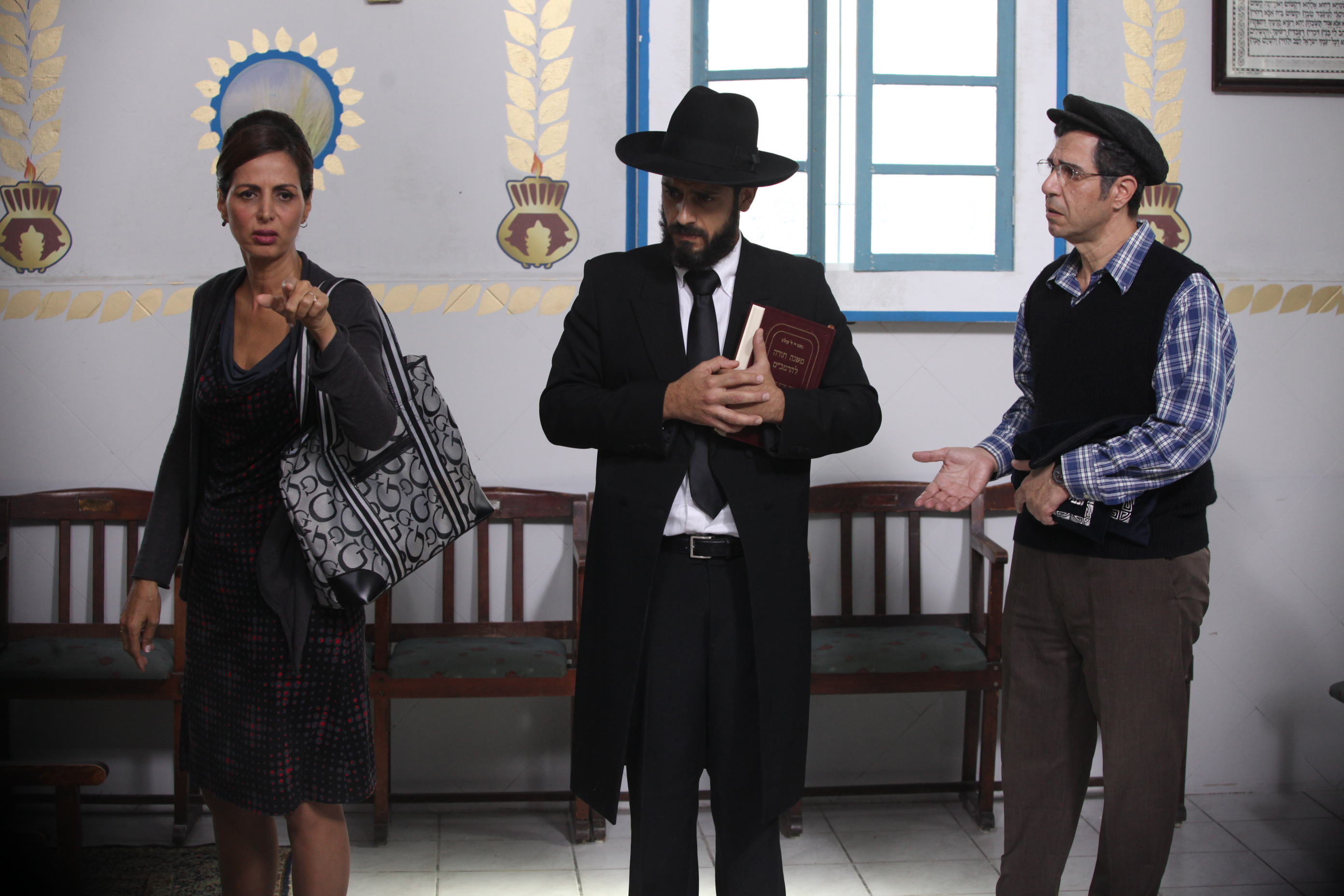
Aviv Alush, best known from his breakout role in Israeli series Beauty and the Baker, plays Rabbi David with a perfectly frustratingly stubborn quality, stealing many scenes as the film’s antagonist and keeping the audience on their toes.
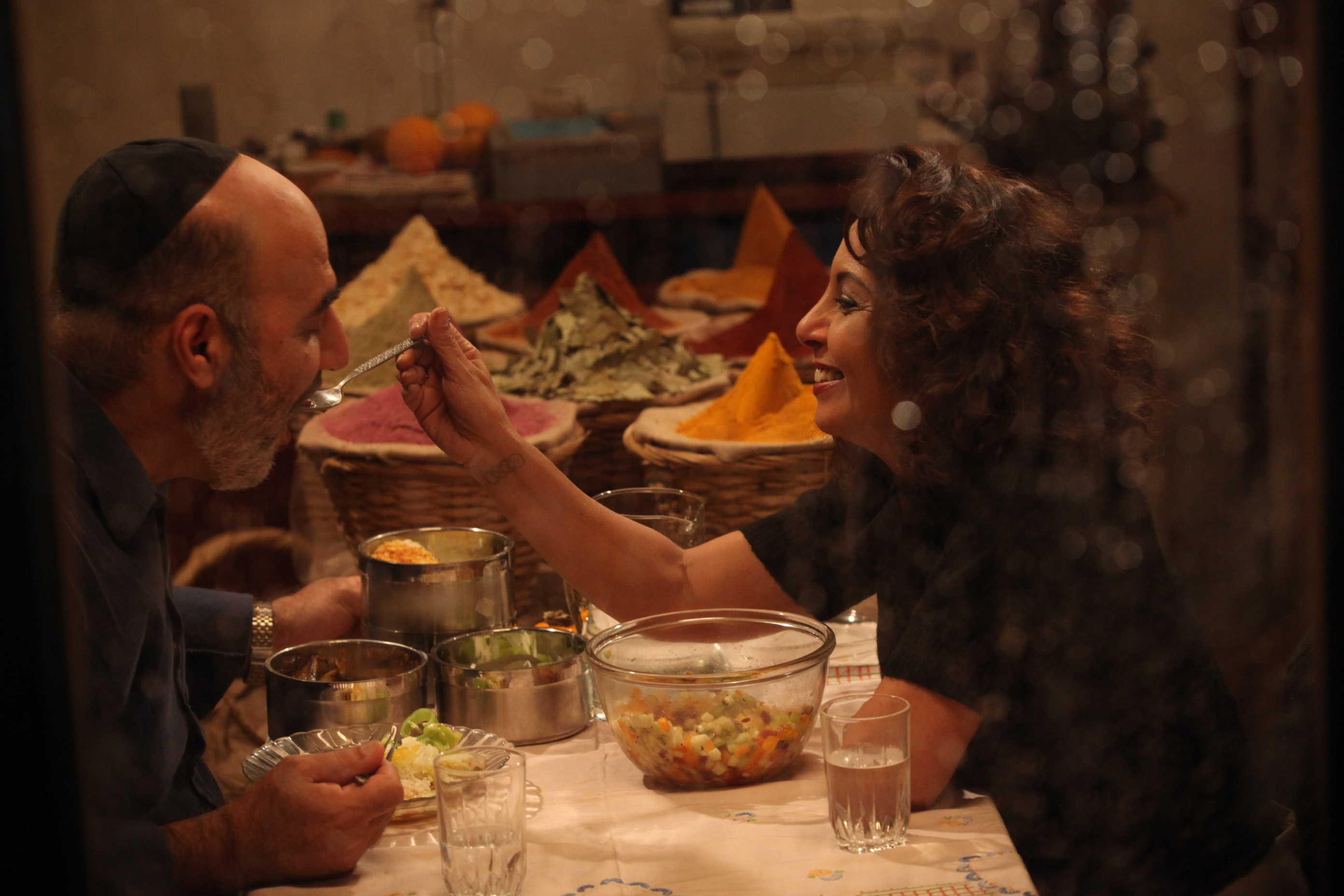
Even in its fun, The Women’s Balcony also has a touching, sentimental core as it focuses on the dynamics between romantic partners. One early stand-out scene carefully, yet comedically reveals the differences between the congregation’s couples — the camera cutting between these domestic scenes — as the men follow the advice of Rabbi David, bringing headscarves to their wives.
Another boon to the film is the moving performance of Igor Naor as Zion, Etti’s husband, who plays the gentle, sympathetic shopkeeper with a want to connect the opposing groups.
Beyond the film’s central older couples, The Women’s Balcony also follows the sweet, burgeoning romance between the star-crossed lovers of Etti’s niece (Yafit Asulin) and Rabbi David’s assistant, which any viewer will excitedly root for.
A Powerful Authenticity
Director Emil Ben-Shimon truly elevates the story with the film’s clear, yet dynamic camera work, visually signaling the community’s divide and frustration as the film unfolds, infusing drama into every scene.
Screenwriter Shlomit Nechama especially hones a powerful authenticity and introspective quality with her masterful storytelling, frequently speaking about how the film’s Orthodox Jerusalem community shares many similarities to that of the one she grew up in. She deftly illustrates both the importance of comfort, community, and compassion that arises from religion, while also challenging notions of patriarchal standards.
Alissa Simon from Variety concurs in her raving review that Nechama “deserves kudos for her likeable, responsive, can-do heroines…she smartly incorporates challenging and subversive elements into a film that is outwardly simple and charming.”
With its spectacular performances, smart and snappy writing, and hilarious comedy, be sure to catch The Women’s Balcony currently streaming on ChaiFlicks.