Mossad Agent Eli Cohen Revealed in New Documentary 'Field Agent 566'

The name Eli Cohen has become synonymous with heroic sacrifice in Israeli consciousness. "Our man in Damascus" — the spy who infiltrated the highest levels of Syrian society before his public execution in 1965 — has inspired countless books, films, and most recently, a Netflix series starring Sacha Baron Cohen. But according to those who knew him best, the real story has remained frustratingly elusive. Until now.
While recent documentaries and popular Netflix series The Spy have explored Eli Cohen's story, this new 2025 documentary series offers unprecedented access to previously classified materials—including revelations about the Syrian archive recovered by Israel containing over 2,500 items from Cohen's mission behind enemy lines, disguised as Kamel Amin Thaabet.
"I have no idea who he really was," admits Sophie Ben Dor at the beginning of the series, speaking about her own father, who also happens to be Israel's most famous spy. The disconnect between public legend and private reality forms the beating heart of this extraordinary documentary.
Now streaming with English subtitles exclusively on ChaiFlicks, Field Agent 566: The Eli Cohen Story promises to upend everything we thought we knew about Israel's most legendary spy.
Who Was Eli Cohen?
Born Eliyahu Ben-Shaul Cohen in Alexandria, Egypt, in 1924, Eli Cohen was a brilliant man caught between worlds—Egyptian by birth, Syrian by assumed identity, and Israeli by conviction.
Cohen's early life was marked by the tensions of being Jewish in mid-20th century Egypt. As the series reveals, he was already involved in underground Zionist activities in Egypt, narrowly escaping the Egyptian authorities early in his efforts to aid the nascent Israeli clandestine services. After immigrating to Israel following the Suez Crisis, Cohen faced the harsh reality many Mizrahi immigrants experienced: despite his education and capabilities, he found himself marginalized in the job market, working menial clerical jobs that barely utilized his talents.
His transformation into Kamel Amin Thaabet — a wealthy Syrian businessman living in Argentina — was nothing short of remarkable. Using this carefully constructed cover, Cohen managed to infiltrate the highest echelons of Syrian society, becoming close friends with future Syrian President Amin al-Hafez and even being considered for high government positions himself. For over three years, from 1961 to 1965, he transmitted invaluable intelligence that would later prove crucial during the Six-Day War. . Cohen's infiltration of Syrian military planning made him arguably the most important Mossad spy of the Six-Day War era, providing Israel with strategic advantages that proved decisive in the conflict.
But as this documentary reveals, the man behind the mission was far more complex than the heroic narrative suggests: A devoted family man forced to abandon his wife and children, a patriot whose dedication ultimately led to his execution, and a human being whose personal struggles were overshadowed by his professional triumphs.
Beyond the Myth
What sets Field Agent 566 apart from previous treatments of Cohen's story is its unflinching commitment to complexity. Directors Liora Amir Bramat and Eyal Tavor, along with executive producer and editor Itai Landsberg-Navo, have crafted what Ariana Melamed of Haaretz describes as "the best documentary series I've seen in years, and without a doubt the most comprehensive, unsettling, and disturbing documentation of the adventures of 'Our Man in Damascus.'"
The series draws its power from an unprecedented source: the actual court records from Cohen's show trial in Damascus, discovered gathering dust in Israeli Defense Force archives. Through these chilling testimonies—Cohen's own words as he faced his accusers—viewers encounter the spy not as a sanitized hero, but as a brilliant, flawed, and ultimately tragic figure caught between competing loyalties.
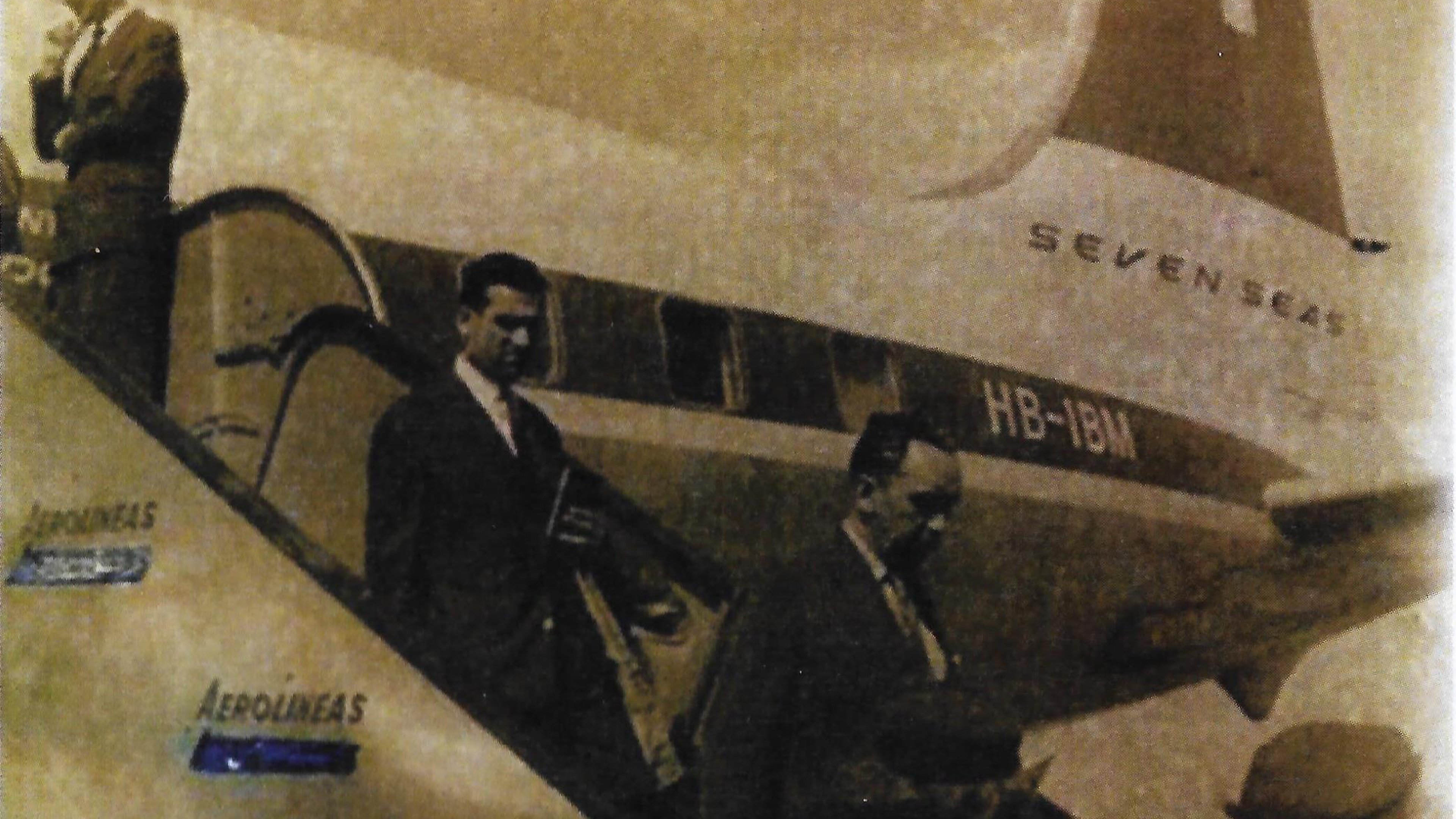
The path to Cohen's recruitment was far from straightforward. Initially eager to serve, he was deemed too risky due to his previous activities in Egypt. Later, when he had moved on with his life and was planning his wedding to Nadia, the Mossad came calling—even going so far as to orchestrate his firing from his civilian job to force his hand into accepting their mission.
The Human Cost
Perhaps the series' greatest achievement lies in its portrayal of the personal toll exacted by Cohen's double life. Through interviews with his widow Nadia and daughter Sophie, viewers witness the collateral damage of espionage—families left behind, questions never answered, grief complicated by national mythology.
Nadia's testimony, delivered with what Shtendel describes as "anger and sorrow, in the same restrained and impressive tone," reveals the reality behind the heroic facade: "the lack of knowledge, the imposition of silence, the difficulty of raising three children without a partner, the poor interaction with Mossad personnel and the thought that her husband is having romantic relationships in his mysterious mission."
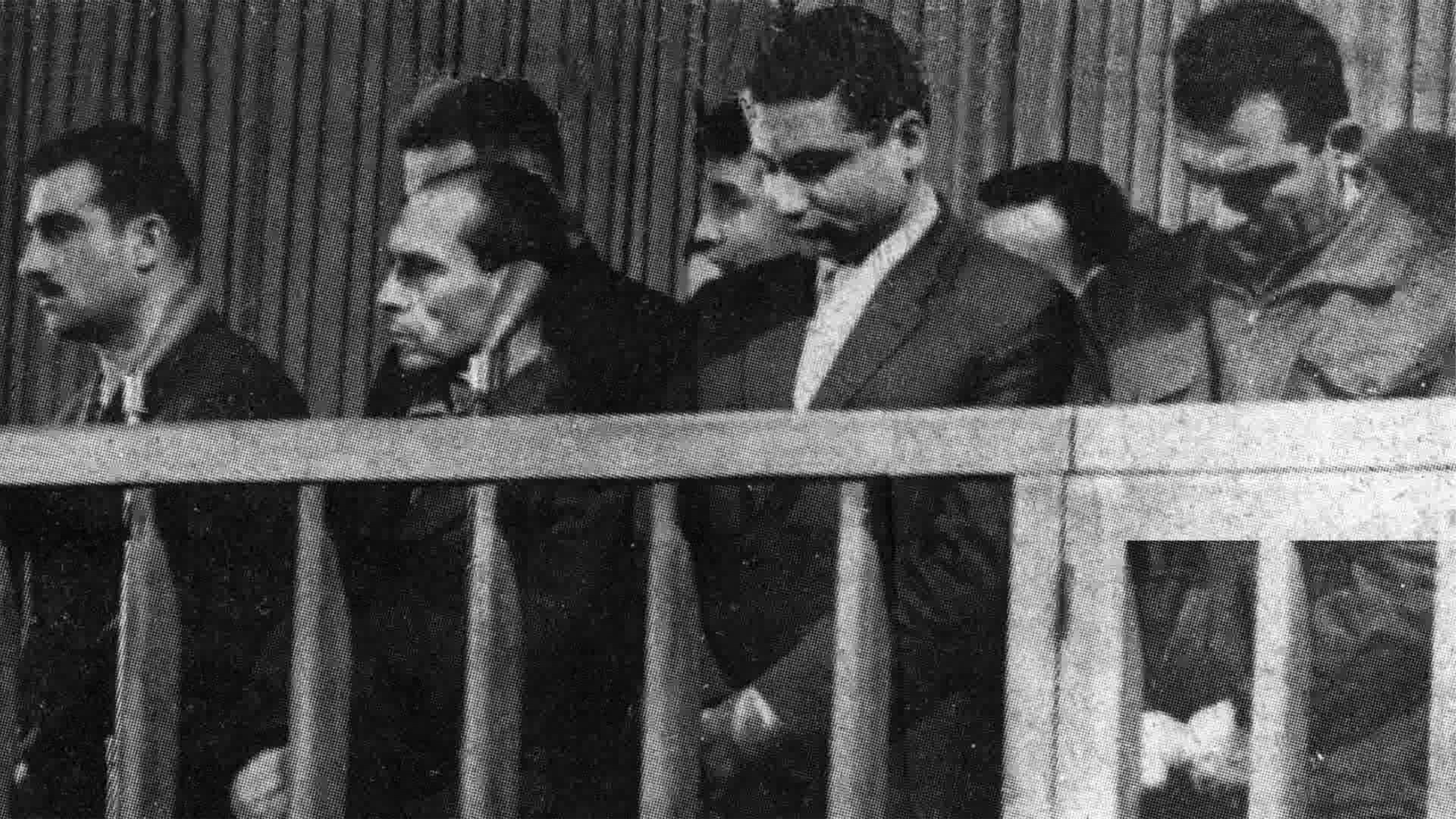
The series doesn't diminish Cohen's remarkable achievements—his infiltration of Syrian society was genuinely extraordinary, providing intelligence that proved invaluable during the Six-Day War. As Liat Collins notes in the Jerusalem Post, "By the time of his capture, the Israeli Jewish spy had himself been suggested as a future Syrian president." But it contextualizes these achievements within a more nuanced understanding of institutional responsibility and personal sacrifice.
Perhaps most significantly, the series features former Mossad chief Tamir Pardo breaking decades of institutional silence, acknowledging that Cohen's return to Syria was a mistake — a rare admission of operational failure that sent the spy to his death.
Why This Matters Now
Beyond its revelatory content, "Field Agent 566" succeeds as a work of cinematic art. The series employs what Melamed describes as "beautiful mosaic of Arabic-speaking voices, photographs, powerful yet understated animation, and an especially persuasive soundtrack" to create an immersive viewing experience that honors both the complexity of its subject and the dignity of those left behind.
In our increasingly digital age, Cohen's story serves as a powerful reminder of the human spirit. But more crucially, "Field Agent 566" demonstrates how documentary filmmaking, when done well, can serve to excavate truth from mythology and separate truth and myth. Through meticulous craftsmanship and stunning visual aesthetics, "Field Agent 566" offers viewers something rare: a chance to see beyond the legend to the man himself.
Field Agent 566: The Eli Cohen is now streaming exclusively on ChaiFlicks.